Family & Children’s Center has provided services in La Crosse and Winona since the late 1800s. FCC became a familiar name in La Crosse in 1983 when the Family Service Association and the La Crosse Home for Children merged to become one agency. The merger brought with it a combined history that began in the 1880s through the vision of community leaders with names such as Hixon, Losey, Stoddard, and Palmer. The success in La Crosse lead to services eventually expanding into Black River Falls, Sparta, and Viroqua.
Family & Children’s Center’s history in Minnesota also dates back to the late 1880s with the Margaret Simpson Home in Winona. This legacy came with the merger of Family Service of Winona in 2006. In 1999, FCC brought its first service to Winona at the request of the area school district to offer alternative education services similar to the model already provided in La Crosse. Since that time, services in Minnesota have more than quadrupled in size.
Today, Family & Children’s Center is one of the largest, private providers of both child and adult behavioral and mental health services in western Wisconsin and southeastern Minnesota with more than 25 programs. The agency employs over 150 staff including social workers, registered nurses and master’s level therapists who have vast knowledge and experience in working with children and families within the community. Each year, more than 7,500 children, adolescents, adults, and their families visit or are visited by staff of at least one of FCC’s programs as one of the largest social service agencies in western Wisconsin and southeastern Minnesota.
The founding years, 1881-1940
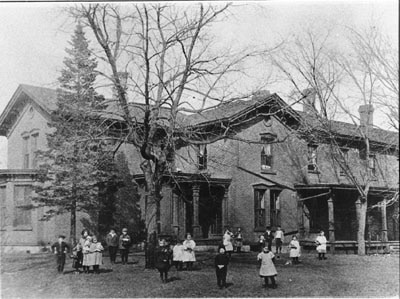
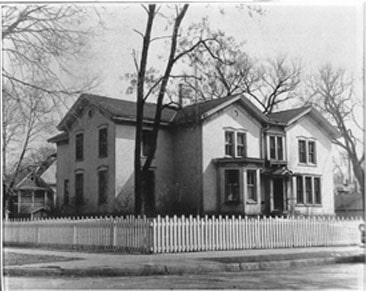
The Family Service Association originated in 1881 as the Committee for the Wisconsin Humane Society of La Crosse. Two of its purposes were to befriend the indigent and homeless and to protect neglected and abused children and widows. Known as the Social Service Society in 1917, it offered relief work to the poor as well as nursing services for tuberculosis, the epidemic of the time. The agency also became a founding member of the Community Chest, today’s United Way.
The La Crosse Home for Children began in 1888 as the Society of the La Crosse Home for Friendless Women and Children. It was founded by the Young Ladies Mission Band to care for elderly, deserted or destitute women and dependent or neglected children.
Responding to community needs, 1941-1960
In 1941, the Social Service Society became known as the Family Welfare Society and its services expanded to include foster homes for children in need, feeding transients and local families and distributing food and clothing to families and individuals. When the name was changed to the La Crosse Family Welfare Association in 1960, new services such as marital and family counseling, relief for military personnel and Travelers’ Aid were added. In 1972, greater emphasis was placed on counseling for families, couples and individuals and the name changed to Family Service Association.
By 1972, the La Crosse Home for Children had shortened its name and focused on care for dependent and neglected children at its residence at 11th and Ferry Streets. In 1963, a new building was constructed at Weston and Losey Blvd. and the home refocused its services on children who required therapeutic care for emotional or behavioral problems, a service need not being met in our area at the time.
Continued service through growth, 1961-present
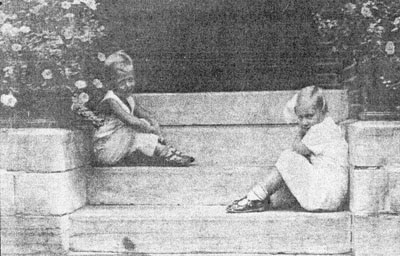
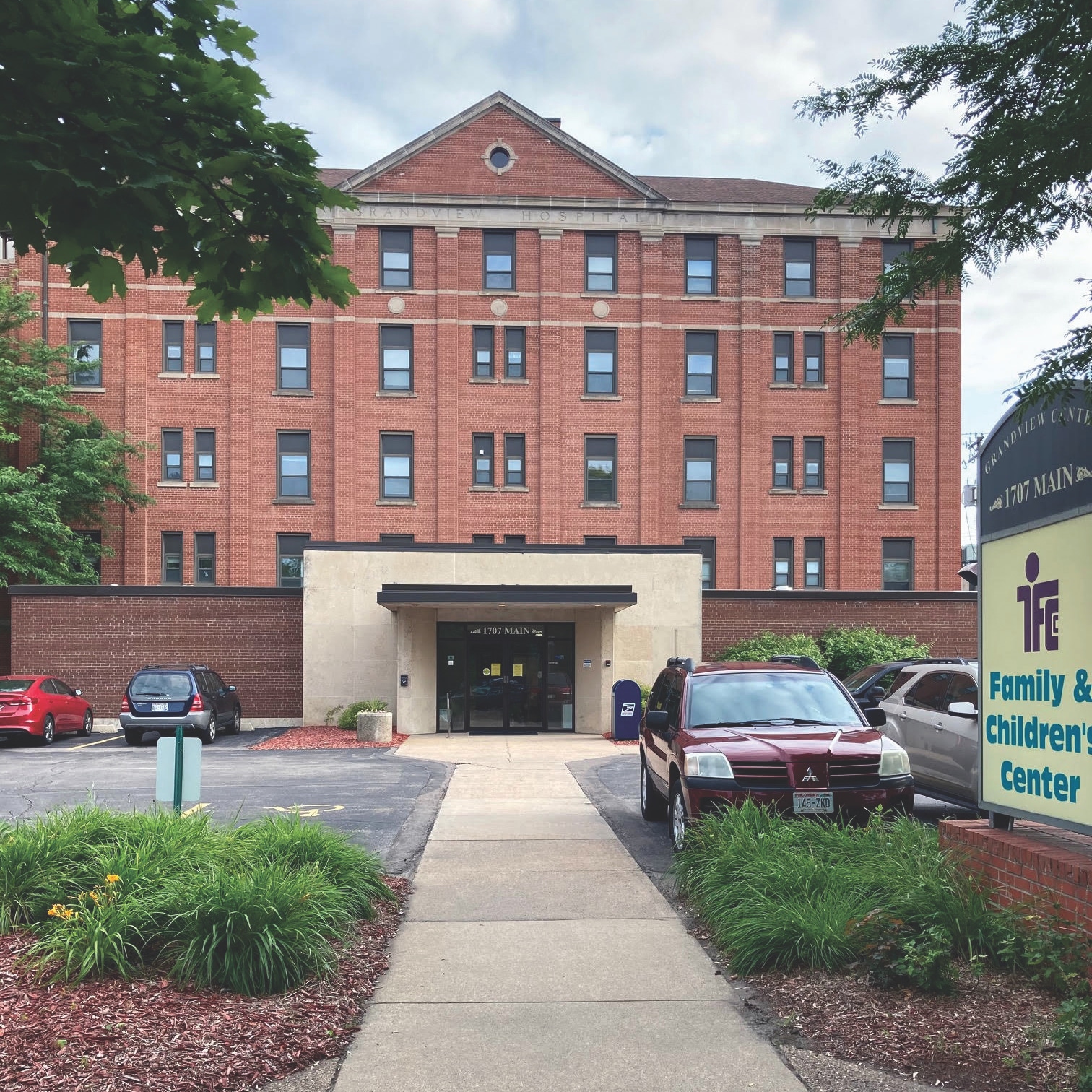
After several years of discussion and study, the La Crosse Home for Children and the Family Service Association merged in 1983 and became one agency, the Family & Children’s Center, at the Weston site. From then on, our services grew. In October 1994, Douglas Mental Health Services of Viroqua became part of the agency and a year later we purchased its building to create a Family & Children’s Center in Viroqua. We began counseling and alternative education services in Prairie Du Chien in 1997, but alternative education services were discontinued in 1999. In September 1998, we broke ground for a new Renovation in Holmen for alternative education services we created exclusively for the Holmen Schools and in 1999 we expanded alternative education services to Winona, Minn, as well. In September 2000 we purchased the Grandview Building at 1707 Main Street where we had leased space since 1983. Services expanded to Black River Falls in 2004, after Family & Children’s Center was awarded the contract from Jackson County to provide the Community Support Program for chronically mentally ill adults.
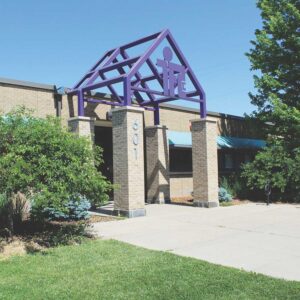
Today, Family & Children’s Center operates seven facilities in five regional communities. Our services continue to grow to meet the needs of the ever-changing communities we serve.
The following timeline outlines areas of significant historical growth starting with the organization’s origins in 1881.
1881: The Wisconsin Humane Society of La Crosse was formed in March. It was one of the first secular charitable organization in La Crosse whose purpose was to prevent cruelty to animals.
1883: The La Crosse Home for Friendless Women & Children began as an organization to care for dependent elderly women. Another group of women desired to form a group home for children in La Crosse. They joined forces to establish the La Crosse Home Friendless Women & Children.
1889: The Margaret Simpson Home was founded in Winona, Minnesota, for the purpose of assisting the poor and carrying on Margaret Simpson’s work in the spirit of Christian charity.
1890: Due to continued growth, The La Crosse Home for Friendless Woman and Children purchased the B.E. Edward Home at 609 South 11th St., La Crosse.
1891: In July, the official headquarters for elderly women, children, and the homeless was established at 717 Badger St., La Crosse.
1911: The Humane Society and Associated Charities of La Crosse hired the first salaried executive secretary and social worker.
1912: The Humane Society merged completely with the Associated Charities of La Crosse.
1922: Social Service Society helped form the Community Chest during the Great Depression. The Humane Society’s role changed from assisting families financially to social services.
1937: The La Crosse Home for Children began and could accommodate 25 children, ages 3 to 16.
1941: The Social Service Society changed their name to Family Welfare Society of La Crosse. The mission focused on marital and parent/child problems, housing, and feeding local families and those passing through the area, distribution of clothing and food, as well as child/foster homes.
1955: Due to continued growth and increases in services, the Margaret Simpson Home in Winona officially changed its name to Family Service of Winona, focusing on emotional and mental health needs.
1960: Family Welfare Society of La Crosse changed its name to Family Welfare Association, with a greater emphasis on marital and family counseling.
1962: A new home for La Crosse Home for Children was established on Weston Street.
1963: The organization officially moved into a new facility at 2507 Weston Street, and the organization was able to grow to accommodate 25 children.
1964: Vernon County Mental Health was developed to provide outpatient care at an affordable price. The name ultimately changed to Douglas Mental Health Services in Viroqua.
1968: Anita Lenz developed a program for emotionally disturbed children.
1972: The Family Welfare Association shortened its name to Family Welfare Association and focused on care for dependent and neglected children at its residence at 11th and Ferry Streets.
1981: The La Crosse Home for Children opened its second group home and was licensed for the care of 8 children, aged 12 to 18.
1983: After several years of discussion and study, The La Crosse Home for Children and the Family Service Association merged, becoming Family & Children’s Center located at the Weston site on Losey Boulevard.
1992: Prevention programming was introduced at FCC through the Healthy Families program. FCC was one of the first seven sites in the United States to operate the program.
1994: Family & Children’s Center merged with Douglas Mental Health Services in Viroqua.
1999: Family & Children’s Center began providing programs in Winona.
2000: The agency moved from the Weston Street location on Losey Boulevard to 1707 Main Street, the former St. Anne’s Hospital.
2003: Family & Children’s Center opened the location in Black River Falls in response to community needs with one of its main programs as the Community Support Program (CSP). Today, WRIC-CSP is the only program offered at this location.
2004: Due to the growth and success of the Alternative Education (Day Treatment) program in Winona, Family & Children’s Center expanded to include Outpatient Counseling.
2006: Family & Children’s Center merged with a number of the mental health programs of Family Services of Winona.
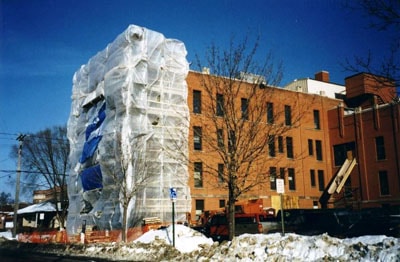
2009: A successful campaign was completed to fundraise $2.5M which helped purchase and renovate the former Winona Daily News building on Franklin Street for the headquarters of Family & Children’s Center located in Winona.
2014: Family & Children’s Center opened an office in Sparta, Wisconsin, in Monroe County as part of the WRIC Consortium, offering the Community Support Program and IPS Supported Employment.
2022: Family & Children’s Center served more than 5,500 clients ages birth to 90 with 24 programs in seven communities and five facilities. The organization has 140 staff members, owning four of its properties and renting its three other locations. Healthy Families expanded into Vernon County.
2023: Healthy Families expanded into Winona County with a $1.25M grant from the Minnesota Department of Health.
2024: The agency moved from the Main Street location to 811 Monitor Street, the former Marine Credit Union administration building.